You vacuum like a responsible adult. Maybe even more than you want to admit. So why does your carpet still smell like a combo of feet and stale Cheerios? Here’s the dirty truth: Even the best vacuum can only do so much. If your home sees a lot of foot traffic, hosts regular Airbnb guests, or is pulling double duty as your workplace, vacuuming alone just isn’t going to cut it.
Let’s break down why your vacuum needs backup—and what the carpet cleaning professionals at T-Bird Carpet Care can do that your trusty Dust Devil (bless its heart) simply can’t.
What Vacuuming Does Well
Don’t get us wrong—vacuuming is still your carpet’s first line of defense. It’s great at picking up the obvious stuff: surface dirt, loose crumbs, pet hair, tracked-in debris, and dust. Regular vacuuming helps maintain the look of your carpet, especially in homes with kids, pets, or allergy sufferers. It also helps prevent dirt from getting ground deeper into the fibers (when done right).
Using a vacuum with a HEPA filter can even trap some airborne allergens. And when done methodically, vacuuming can extend the lifespan of your carpet by minimizing abrasive particles that wear down fibers. But that’s all happening up top. Underneath? That’s another story.
What Vacuuming Can’t Do (The Dirty Details)
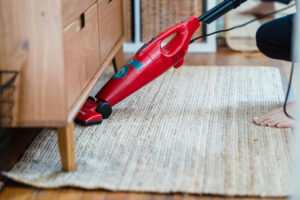
Even with your best Shark or Dyson, your vacuum simply isn’t built to deep-clean. It can’t pull out the gunk that’s buried in the padding—things like body oils, old spills, embedded pet accidents, mold spores, bacteria, or microscopic allergens that cling to carpet fibers.
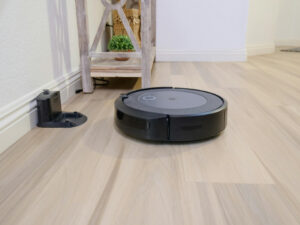
In high-traffic areas like entryways, hallways, or living rooms (not to mention offices and short-term rentals), this gunk builds up fast. Vacuuming too fast—or skipping spots—can actually push grime deeper into the carpet base. And don’t let robot vacuums fool you: they’re fine for light dailies, but they won’t lift deep dirt or eliminate odor.
Bottom line: if your carpet still smells off or looks dull no matter how often you vacuum, it’s time to tag in the professionals.
Enter the Carpet Cleaning Professionals
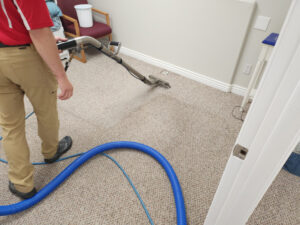
When your carpet needs more than a quick tidy-up, that’s where we come in. Our high-powered equipment uses hot water extraction (also known as steam cleaning) to lift grime from deep within your carpet fibers. Here’s how it works: we pre-treat tough stains and high-traffic zones with eco-friendly solutions that break down oils and embedded dirt. Then we inject hot water and cleaning agents deep into the carpet under high pressure. Immediately after, our powerful extraction system vacuums it all back up—along with years of grime, allergens, pet dander, and whatever your kids spilled in 2022.
This method doesn’t just clean the surface; it reaches the base of your carpet fibers and even flushes out contaminants trapped in the padding underneath. It’s safe for your family, your pets, and your peace of mind.
Carpet cleaning professionals like us at T-Bird Carpet Care do more than make things look good. We restore your carpets to their best condition, eliminate stubborn odors, and help extend the life of your flooring investment. If you’re running a short-term rental in St. George or managing an office space in Cedar City, those hidden nasties can make or break a five-star review or a first impression.
Vacuum Like a Pro: Tips & Tricks
Until your next deep clean, here’s how to get the most out of your vacuum—and why these tips actually matter:
Slow your roll
Vacuuming too fast means you’re just skimming the surface. When you slow down, you give the vacuum enough time to agitate carpet fibers and suck up more debris from below the surface. It’s not just about speed—it’s about coverage.
Overlap your passes
Most vacuums don’t catch everything in a single pass. Overlapping ensures that you’re not missing dirt, especially in textured or high-pile carpets where debris likes to hide. Think of it like insurance for your floors.
Switch directions
Vacuuming in the same direction every time causes carpet fibers to lie flat, making it harder to loosen dirt. Changing directions lifts the fibers and exposes more grime, giving your vacuum a better shot at picking it up.
Keep it clean
A full vacuum bag or dirty filter drastically reduces suction power. That means you’re wasting effort and electricity with every pass. Emptying the bin and changing filters keeps your vacuum running at max efficiency—and your carpets cleaner.
Match the vacuum to the job
Different vacuums serve different purposes:
- Upright vacuums: Great suction and brush agitation for pulling up ground-in dirt—ideal for large carpeted areas.
- Robot vacuums: Great for daily upkeep but not a substitute for deep cleaning. They can’t handle corners, edges, or thick carpet fibers well.
- Handhelds: Useful for spot cleaning, stairs, upholstery, and car interiors—but limited in power and capacity.
Using the right tool for the task means better results and longer carpet life.
How Often Should You Vacuum?
- Daily: High-traffic homes, pets, kids, or rental turnovers
Vacuuming daily is crucial in environments where dirt, hair, and allergens are constantly being introduced. Think muddy shoes, shedding pets, crawling babies, and guests dragging in who-knows-what. This level of traffic grinds particles deep into carpet fibers fast—daily vacuuming keeps buildup at bay and protects your carpet’s structure. - 2–3x per week: Standard households
This is the sweet spot for most families. A few times a week helps manage dust, crumbs, and everyday grime without letting it pile up. It’s enough to keep your carpet in solid shape between professional cleanings without being a full-time job. - Weekly: Low-traffic or single-occupant homes
If you live alone or rarely use carpeted rooms, a weekly vacuum is usually enough to maintain cleanliness and prevent dust accumulation. But even with minimal use, allergens and microscopic debris can still settle in over time. - Commercial spaces: As needed + spot clean regularly
Office carpets and commercial areas need frequent attention due to heavy foot traffic, especially in entryways and common areas. Daily or weekly vacuuming combined with quick spot cleanups keeps things looking professional and helps avoid permanent stains.
The more you vacuum, the longer your carpet lasts between professional cleanings. It also helps keep allergens and bacteria from building up. But that doesn’t mean you can skip the deep cleans entirely—there’s only so much your vacuum can do.
How Often Should You Hire Carpet Cleaning Professionals?
- Homes: Every 6–12 months
This schedule helps prevent the buildup of dirt, allergens, and odors that daily vacuuming can’t touch. Even if your carpet looks fine, deep-down contaminants can quietly wear away at the fibers and affect indoor air quality. Professional cleanings keep your carpet looking fresh and extend its life. - Airbnb & Vacation Rentals: Every 3–6 months (or more if guests are extra messy)
Short-term rentals experience frequent foot traffic, spilled drinks, luggage drag marks, and a revolving door of different habits. Professional cleanings between guest waves or seasons ensure your space stays five-star ready—and helps avoid complaints or bad reviews due to funky odors or stained floors. - Offices & Commercial Spaces: Quarterly for best results
Think of how many shoes (and germs) walk through your business every week. Regular professional cleanings preserve appearance, reduce allergens in shared environments, and help uphold a professional image. Plus, it’s a lot cheaper than replacing commercial carpet early due to neglect.
Pro Tip: If your carpet looks clean but smells weird, feels flat, or has stubborn spots, it’s time to call in the pros.
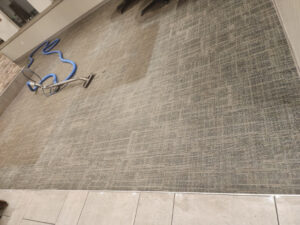
Looks Clean Isn’t Clean
Your vacuum’s trying its best—but it just can’t compete with what’s hiding under the surface. That’s where the carpet cleaning professionals at T-Bird Carpet Care come in. We handle the deep, dirty work so your carpets look, smell, and feel brand new.
Serving homes, rentals, and businesses across Cedar City, St. George, and surrounding Southern Utah areas, we’re here to help you breathe easier.
Book your cleaning today and show your vacuum who’s boss.