
Living in St. George and Washington County comes with two absolute guarantees: 300-plus days of gorgeous sunshine, and a mysterious supply of fine red dirt that somehow bypasses sealed doors, window screens, and all laws of physics.
If you have tile floors, kids, and pets, you know the routine. You spend 45 minutes on a Saturday morning aggressively pushing a mop across your kitchen floor. You step back, admire the wet shine, and feel like a responsible adult. Ten minutes later, your toddler drops a piece of toast face-down, your dog tracks in a fresh batch of red dust from the backyard, and your clean socks look like you’ve been hiking Snow Canyon in your bare feet.
What gives?
Here’s the dirty truth: most everyday tile cleaning habits don’t actually clean your floors. In fact, standard mops, string buckets, and quick-swipe pads are often making your tile grime worse by turning dust into liquid sludge and locking it inside your grout lines.
Here is how to break the cycle, protect your floors, and know when it’s time to call in the heavy artillery.
The Roster of Rogues: Everyday Cleaning Tools, Ranked
Let’s be honest about the tools currently sitting in your laundry room utility closet.
|
Cleaning Tool |
The Promise |
The Red Dirt Reality |
| Standard Broom | Quick and easy sweep for crumbs and dust. | Traps big crumbs, but pushes fine red dust right into grout lines like mini sand traps. |
| String Mop & Bucket | Traditional deep cleaning power for tough grease. | Creates a “mud puddle simulator.” Re-applies dirty water across the floor with every dip. |
| Disposable Wet Pads | Instant convenience for quick kitchen spills. | Leaves sticky chemical surfactant residue that acts like glue for incoming red dust. |
| Microfiber Flat Mop | Lightweight, washable, and gentle on tile. | The clear winner for daily DIY care when paired with a neutral pH spray cleaner. |
1. The Standard Broom
Brooms are fine for catching stray Cheerios and pet fur, but when it comes to fine Southern Utah dirt, they act like tiny brooms pushing dust into grout trenches. Every stroke sweeps dust off the smooth tile face and buries it into porous grout lines.
2. The Traditional String Mop & Bucket
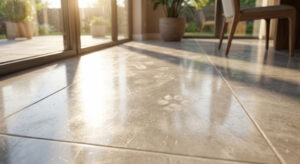
This is the ultimate illusion. On your first pass, the water is clean. By your third pass, you are swishing a slurry of dirty water around your kitchen floor. That dirty water settles into grout channels, dries out, and leaves behind a thin layer of liquefied grime.
3. Disposable Wet Pads (The Quick Swiffer Fix)
We get it when a spilled juice box strikes during dinner prep, convenience wins. But disposable wet pads rely on chemical surfactants designed to evaporate fast. The problem? They leave behind a micro-thin, sticky film. That film acts as a magnet, grabbing onto dog hair, foot oils, and red dust the second your floor dries.
4. The Microfiber Flat Mop
If you take one piece of advice from this article, let it be this: switch to a flat microfiber mop with a washable pad. Microfiber carries a natural static charge that grabs fine red dust instead of smearing it around.
Silent Tile Killers: Products Hurting Your Flooring
Well-meaning homeowners often accidentally ruin their tile glaze and grout sealers using internet “DIY hacks.” If you want your tile to last, keep these out of your cleaning bucket:
- Vinegar and Lemon Juice: Acidic cleaners like vinegar eat away at grout sealant and break down stone glaze over time.
- Bleach and Harsh Ammonia: Bleach might sanitize, but it rapidly degrades grout integrity, making it brittle, porous, and prone to cracking.
- Wax-Based “Shine Restorers”: These products promise a high-gloss finish, but they build up waxy layers that turn yellow, trap dirt, and eventually require professional stripping to remove.
- Scouring Pads & Wire Brushes: Heavy-duty scrubbing pads scratch glazed porcelain and scrape off protectant sealers.
For a deeper dive into preserving your hard surfaces, check out our guide on the dos and don’ts of tile cleaning in St. George.
The DIY Protocol: How to Mop Like a Pro
Keeping your tile looking crisp between professional visits doesn’t require a miracle just a simple, chemistry-backed routine.
|
Step |
Action |
Why It Works |
| Step 1 | Vacuum First | A hard-floor vacuum attachment removes fine red silt without grinding it into grout lines. |
| Step 2 | Use Neutral pH Cleaners | Specialized neutral cleaners break down grease and oil without stripping grout sealers. |
| Step 3 | Spray as You Go | Lightly misting with a spray bottle avoids dunking pads into dirty bucket water. |
| Step 4 | Dry It Off Immediately | Passing over tile with a dry towel stops dirty moisture from pooling in grout pores. |
When DIY Hits a Wall: The Porous Grout Problem
No matter how disciplined your weekend cleaning routine is, daily foot traffic, pet accidents, and kitchen spills inevitably win the long game.
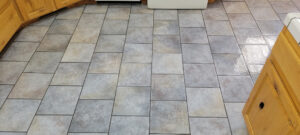
Grout is essentially concrete sand. Under a microscope, it looks like a sea sponge full of millions of microscopic pores. Over time, dirty mop water, cooking oils, and tracked-in moisture sink deep into those pores beneath the reach of standard mop bristles.
When organic matter gets trapped deep inside those pores, it stays there. If you’ve ever wondered why your bathroom floor smells funky even right after you cleaned it, you’re experiencing trapped moisture and bacteria firsthand. You can read more about why this happens in our article on why your grout smells weird in St. George.
Frequently Asked Questions
How often should tile and grout be professionally cleaned in Southern Utah?
For busy households with kids and pets in St. George or Washington, a professional deep clean every 12 to 18 months keeps grout sealed and stops permanent staining from red soil. Homes without pets or heavy foot traffic can usually go 18 to 24 months between visits.
Why does my tile floor feel sticky right after I mop it?
Sticky floors are usually caused by floor cleaners that leave soap residue or disposable mop wet pads. When the water evaporates, soap surfactants remain on the floor, trapping new dust and dirt instantly. Switching to a spray-and-wipe neutral pH cleaner eliminates this buildup.
Will professional tile cleaning damage my grout sealer?
Not when done correctly! High-powered truck-mounted cleaning removes dirt and old, worn-out surface sealer. Once the deep extraction rinse is complete, applying a fresh coat of high-grade penetrating grout sealer protects your investment for years to come.
Can I use a steam mop on my ceramic or porcelain tile?
While steam mops use water heat instead of chemicals, frequent high-heat steam application can loosen grout line sealers and drive moisture deep into unsealed grout joints. A damp flat microfiber mop paired with a neutral cleaner remains the safest daily DIY method.
Call in the Heavy Guns: The T-Bird Deep Clean Difference
When grout lines turn dark and mops stop working, you don’t need a stronger elbow grease regimen you need commercial extraction power.
At T-Bird Carpet Care, we bring truck-mounted deep cleaning power right to your driveway in St. George, Washington, and surrounding Southern Utah areas.
|
Phase |
Process |
Benefit |
| 1. Pre-Treat | High-pH Emulsifiers | Loosens embedded grease, oils, and ground-in red soil. |
| 2. Agitate | Counter-Rotating Brushes | Reaches deep into grout crevices that flat mops miss. |
| 3. Hot Hydro-Rinse | 200°F Pressure Rinse | Flushes out trapped dirt while instantly sanitizing hard surfaces. |
| 4. Vacuum Extract | High-Powered Truck Suction | Pulls away 98% of liquid waste so floors dry in minutes. |
| 5. Penetrating Seal | Clear Protective Barrier | Locks out future red dust, liquid spills, and pet accidents. |
Our high-pressure hot water extraction system blasts 200°F water into tile pores and grout crevices while simultaneously vacuuming up the dirty slurry into our truck tanks. It removes years of built-up red dirt, residue, and bacteria without creating a mess inside your home.
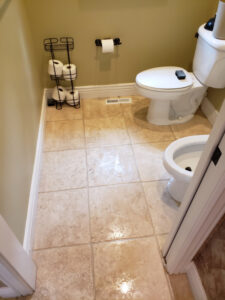
Backed by over 70 years of combined hands-on experience, our team delivers white-glove service that respects your home, your time, and your floors. Once we extract the deep-down grime, we apply a fresh, breathable penetrating sealer to lock out future spills and red dust.
Ready to see what color your grout lines actually are underneath that St. George clay? Explore our dedicated St. George tile and grout cleaning services or contact the T-Bird team today for a free estimate!