Between the red rock dust, desert winds, and kids tracking who-knows-what from Dixie Rock floor cleaning in St. George is not for the faint of heart. Whether you live near Utah Tech, off Bluff Street, or out by Sand Hollow, your floors are facing a full-blown Southern Utah survival challenge. But don’t worry, we’ve got answers.
Welcome to our ultimate FAQ guide, where we spill the (grime-fighting) tea on all things floor cleaning in St. George: carpet, tile, rugs, and more. We don’t just answer what we dive into the why, so you know exactly what your floors are up against and how to win. Let’s get into it.
The Dirty Truth About St. George Floors
Whether you’re dealing with red dust, desert grime, or high-traffic chaos, St. George homes face a unique set of challenges. That’s why we built this guide to give you expert-backed answers, actionable tips, and a clear path to cleaner, healthier floors.

Carpet Cleaning FAQs
Q: How often should I get my carpets cleaned in Southern Utah?
A: Every 6–12 months is a good rule of thumb, but here’s the real reason why: St. George’s unique environment plays dirty. Our dry climate means dust doesn’t settle; it flies and lands in your carpet like it’s got a mission. Add in the gritty red dirt from outdoor adventures (looking at you, Snow Canyon hikers), and your carpet becomes a catch-all. That grime gets ground in by foot traffic, pets, and even furniture movement, wearing down fibers and dulling colors. Regular cleanings not only keep carpets looking fresh but also extend their life, reduce allergens, and improve indoor air quality.
Check out our carpet cleaning services for the full lowdown.
Q: Can you really get pet pee out of the carpet?
A: Absolutely. Pet urine isn’t just a surface stain it seeps into carpet fibers and the padding below. Over time, it breaks down into ammonia and uric acid crystals, which are notoriously hard to remove and cause that eye-watering smell. Store-bought cleaners usually just mask the issue (and often make it worse). Our professional-grade enzymes are formulated to digest the odor-causing bacteria at the molecular level. The result? A carpet that’s truly clean and safe for your pets, kids, and nose.

Learn more about our specialty odor removal services.
Q: Why does my carpet smell worse after I clean it myself?
A: It’s one of the most common complaints we hear. DIY carpet cleaners often over-saturate the carpet and don’t have enough suction power to pull all the moisture back out. That leaves damp padding, which becomes a petri dish for mildew, bacteria, and mold especially in high-humidity spots or basements. Even worse, leftover soap residue attracts more dirt, meaning your carpet gets dirtier faster. Our professional system uses controlled moisture and powerful extraction to get deep into the fibers without leaving them soaked. Your carpet dries quickly, smells fresh, and stays clean longer.
Tile & Grout Cleaning FAQs
Q: Why is my grout always gross no matter how much I scrub?
A: Because grout is basically a dirt magnet with commitment issues. Here’s the problem: grout is naturally porous, which means even when it looks clean on the surface, it’s harboring gunk below. Every mop swipe just pushes dirty water into those pores. And over time, grease, soap scum, and mystery goo (you know the kind) get baked in. That’s why scrubbing only makes it feel cleaner, not cleaner. Our commercial-grade high-pressure extraction tools pull out the deeply embedded dirt and restore grout to its natural color, something that’s nearly impossible with store-bought tools.
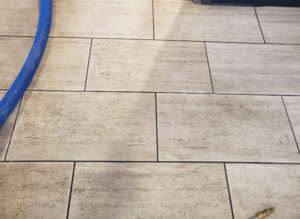
Let’s talk tile & grout cleaning the right way.
Q: Do you seal grout after cleaning?
A: Heck yes, and here’s why: after we deep clean your grout, it’s like a blank slate. But if we don’t seal it, all that grime can come rushing back in faster than you can say “wet footprints.” Sealer acts like a shield; it keeps spills from soaking in and gives you time to wipe them up before they stain. Think of it as sunscreen for your grout: an invisible layer that protects from damage and discoloration.
Q: Is tile cleaning really necessary if I mop weekly?
A: In St. George? 100%. Here’s the deal: the fine red dust in our desert doesn’t just sit on top; it settles deep into grout lines and textured tiles. Hard water adds mineral buildup, and allergens from open windows or HVAC systems layer up over time. Weekly mopping helps with surface dirt, but it’s like brushing your teeth without flossing. You’re missing the stuff that really matters. A deep professional clean cuts through that buildup and leaves your tile floors truly fresh.
Rug & Floor Care FAQs
Q: Can you clean area rugs without damaging them?
A: Yep, we treat your rugs like the delicate works of art they are (even if they’re covered in Goldfish crumbs). The reason this matters? Rugs are made from all kinds of fibers: wool, cotton, silk, synthetics, and each reacts differently to moisture, agitation, and cleaning agents. Using the wrong process can lead to color bleeding, shrinkage, or even fiber breakdown. That’s why we test each rug before cleaning, choose the right method, and never over-saturate. Whether it’s a vintage Persian passed down from Grandma or a shaggy runner from the big box store, we make sure it gets exactly the care it needs to look (and last) its best.

Q: What’s the best way to clean and maintain area rugs at home?
A: First, always check the care tag. Some rugs are washable, some are not. But beyond that, it’s about routine. Rugs trap dirt, dust, and dander like filters for your feet. If you’re not vacuuming them regularly (yes, even under the couch legs), all that grit wears down the fibers from the inside out. Blotting spills immediately keeps stains from setting, rubbing just spreads the mess and damages the weave. And when it comes to deeper cleaning, a rug-safe shampoo is only safe if it matches your rug’s fiber type. When in doubt, calling in the pros every 12–18 months not only protects your investment it also saves you hours of risky guesswork. Antique or wool rugs, especially, need TLC; hot water or harsh chemicals can ruin them for good.
Q: How do I keep my floors clean between professional cleanings?
A: Great question. The key is staying ahead of the dirt. In a place like St. George, dust and sand are part of daily life. That means prevention and consistency go a long way:
- Use quality doormats at every entrance (garage included), they trap a ton of grit before it spreads.
- Vacuum slowly and often. Quick passes don’t cut it. And in dry climates, static cling pulls dust deeper into carpet and rugs.
- Use pH-neutral cleaners on tile; they clean effectively without damaging sealants or causing dullness.
- Always blot spills, scrubbing forces liquid deeper and can fray fibers or grout lines.
- Give rugs a weekly shake-out or vacuum to keep dirt from settling deep.
The payoff? Floors that stay cleaner longer, better air quality, and a smoother experience when it’s time for your next professional clean.
Still Have Questions? Ask the Floor Nerds.
We’re not just floor cleaners, we’re floor whisperers. With over 70 years of combined experience and top-tier equipment, we know what your floors need (sometimes before you do). Whether you’re dealing with mystery stains, stubborn grout grime, or just want to know if that vintage rug is cleanable, we’ve got answers that actually help.
Better yet, we offer a free consultation. We’ll assess your floors, talk through your concerns, and build a customized plan that fits your home, lifestyle, and budget. No pressure, no cookie-cutter solutions, just expert advice and spotless results.
Explore our St. George services or schedule your free floor consultation. Let’s find the best solution for your floors together.